The Hands Behind the Lines
Some people discover art.
Others are claimed by it early — before they know what it will cost.
Dasharath Sonar was still a school-going boy — barely in the 4th or 5th grade — when his hands first began to draw.
This was not encouragement.
This was instinct.
Born in 1942, his childhood belonged to a time when survival shaped every household decision. Art was not a path. It was not a profession. It was not even considered useful. Earning came first. Everything else waited.
And yet, the lines did not wait.
The son of a vegetable seller, he grew up watching effort turn into sustenance. He accompanied his father to weekly bazaars, often walking close to thirty kilometres — carrying produce, helping sell, returning exhausted. This was the rhythm of life. From such days came savings measured in coins, not comfort.
From those savings came brushes.
Quietly.
Carefully.
Sometimes without bringing them home — because spending on art was seen as waste when bread was uncertain.
There was no formal training.
No art school.
No teachers.
No access to museums or originals.
What he had instead was observation.
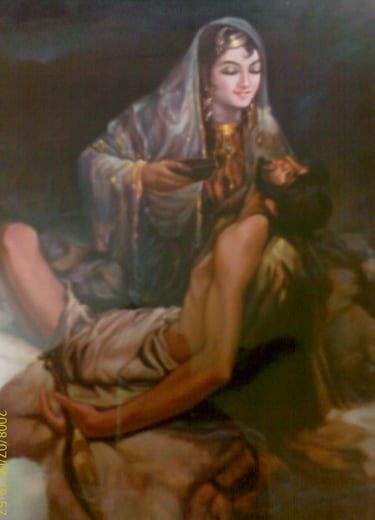
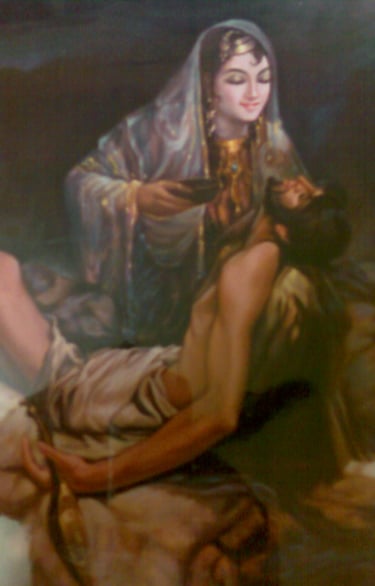
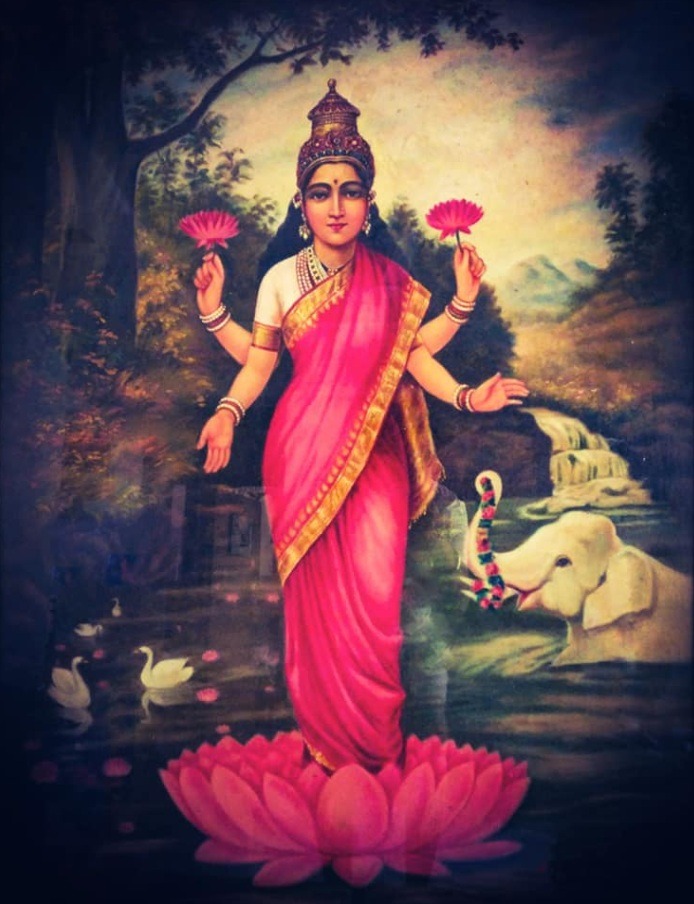
He looked deeply — at faces, bodies, animals, cloth, light, posture. He drew what surrounded him: local gods, familiar forms, village life, imagined worlds. He painted Shivaji Maharaj, Rana Pratap, Gurudev Datta, Lord Ganesha — not as subjects, but as presences rooted in cultural memory.
Every year, he designed calendars.
He worked in commercial photography.
He wrote poems and short stories.
He drew relentlessly.
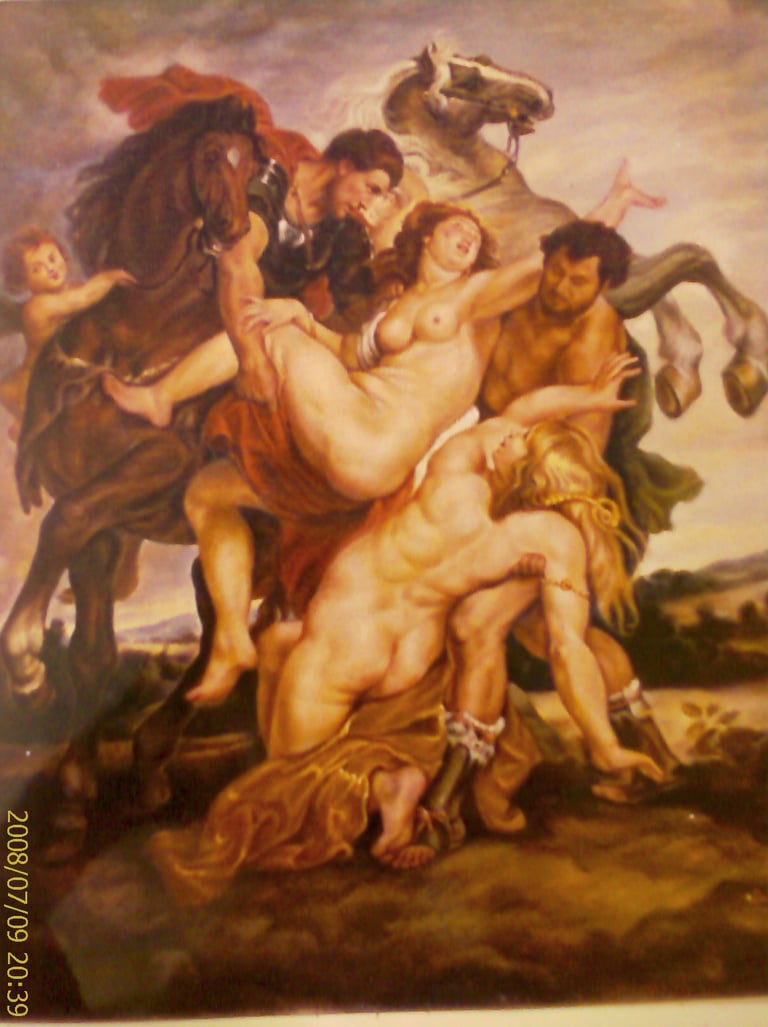
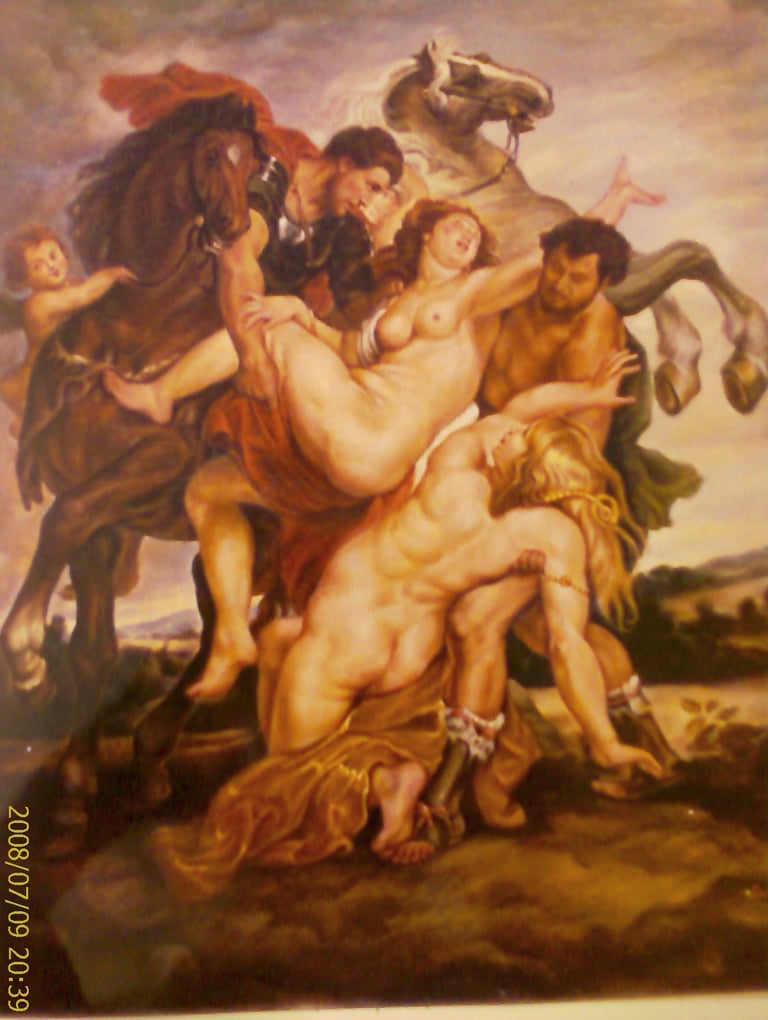
Copying the great masters came later — not as imitation, but as discipline.
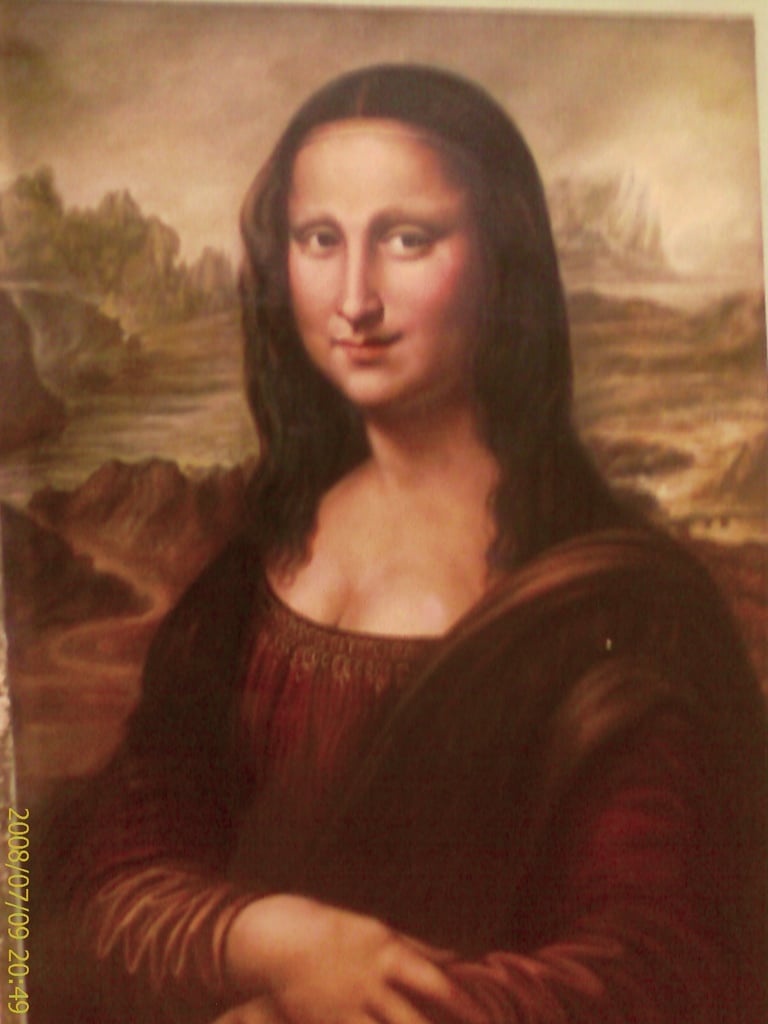
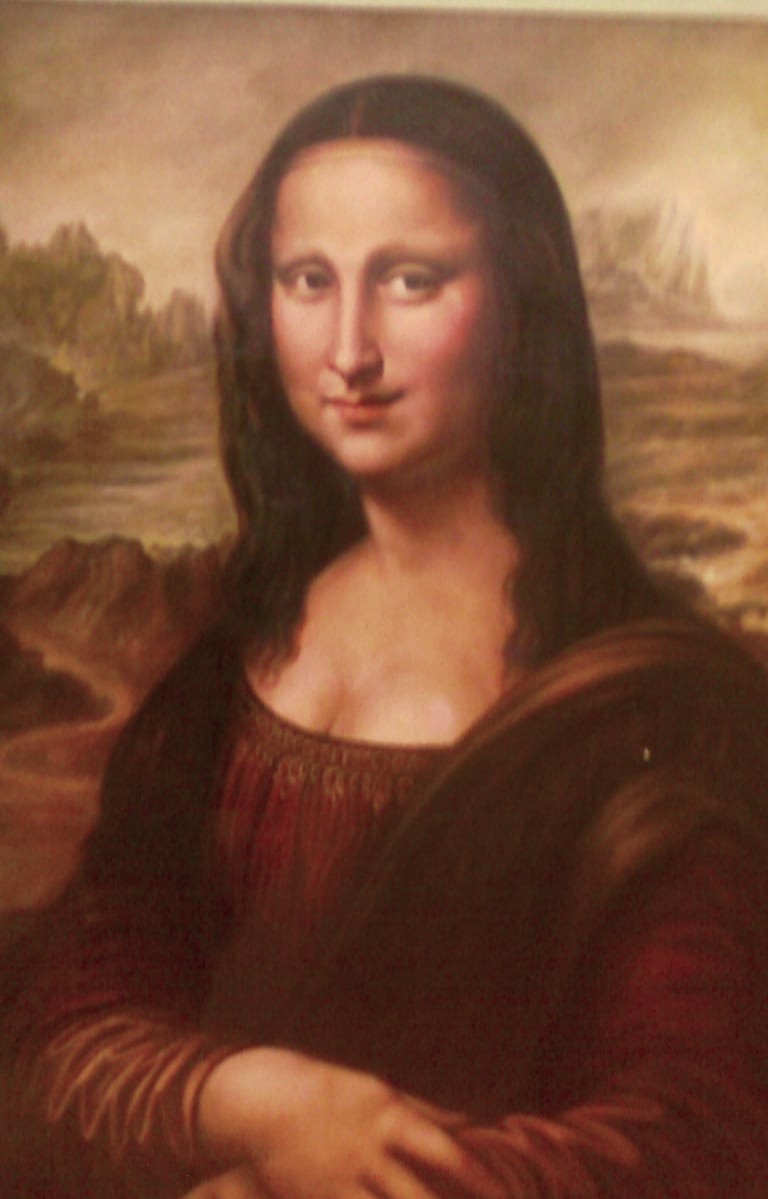
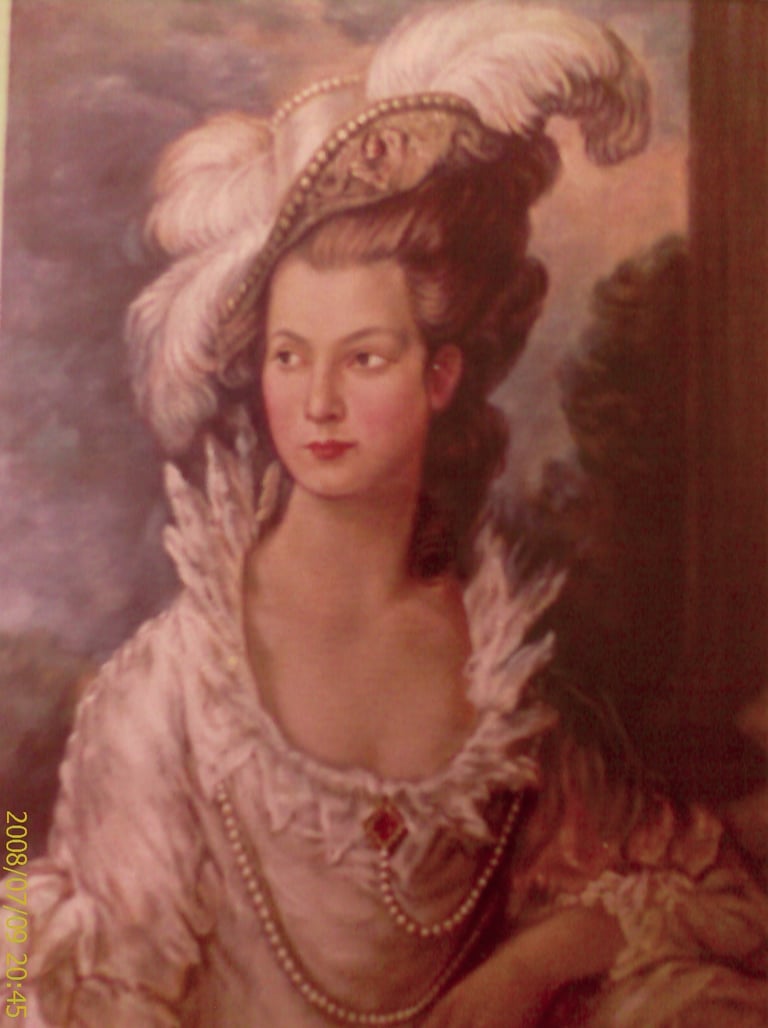
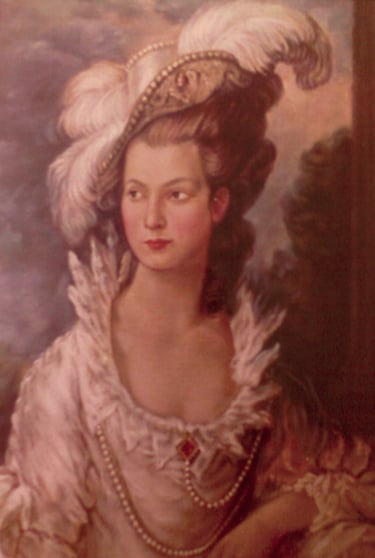
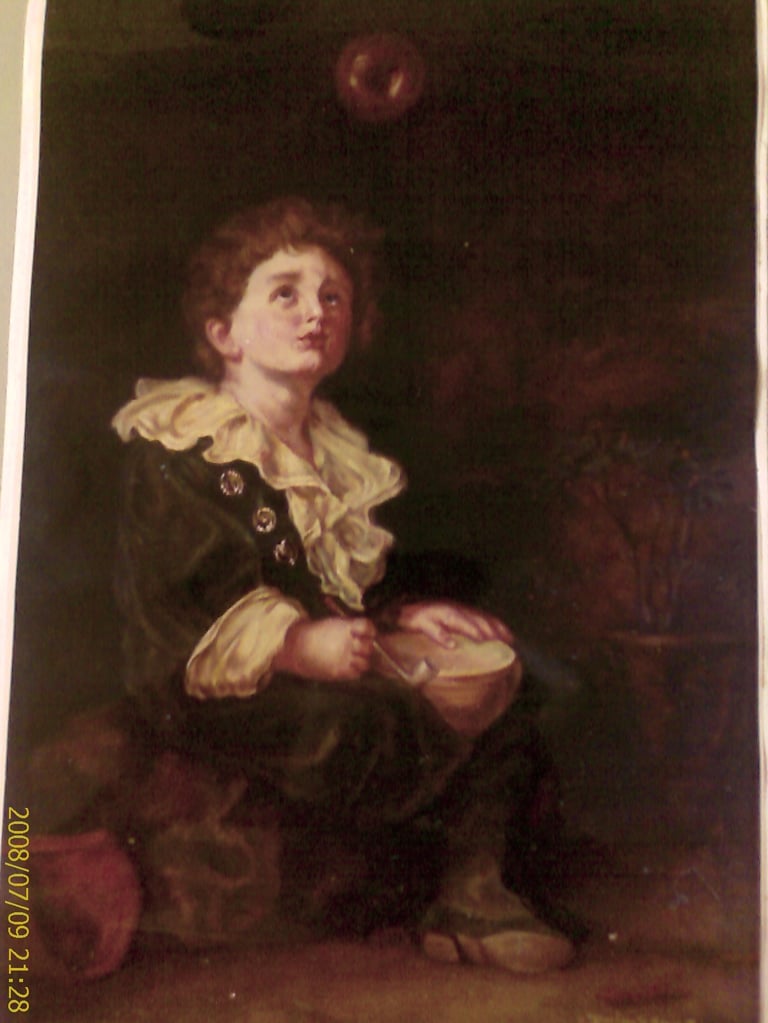
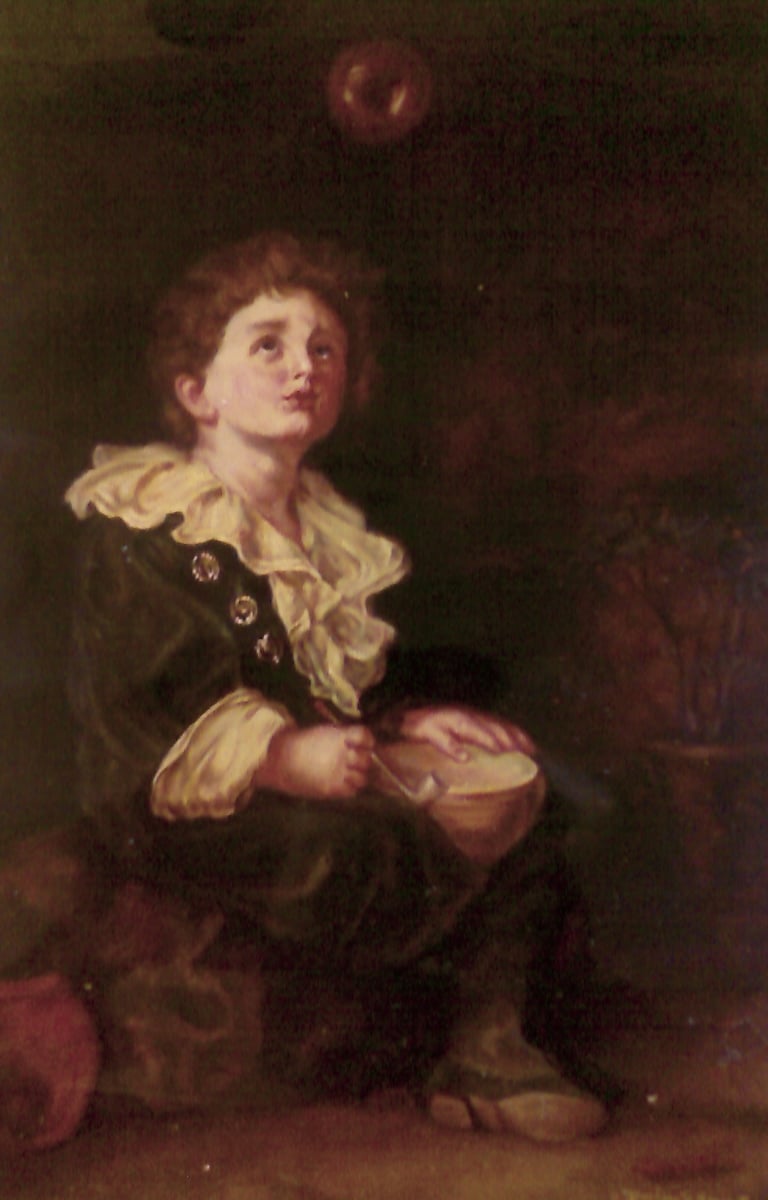
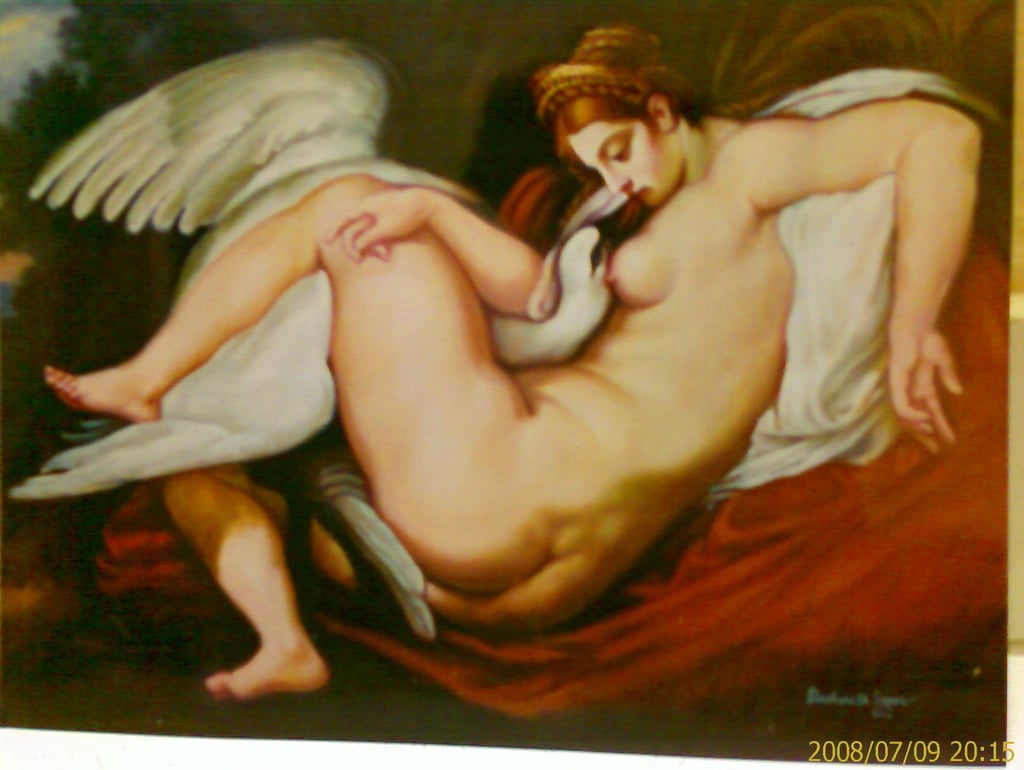
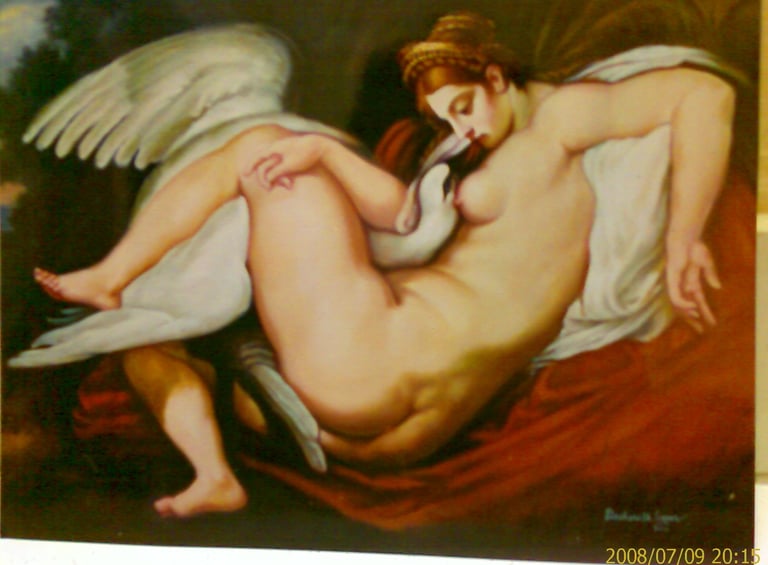
From rare, grainy reproductions, he attempted works painted centuries earlier by the greatest artists the world has known.
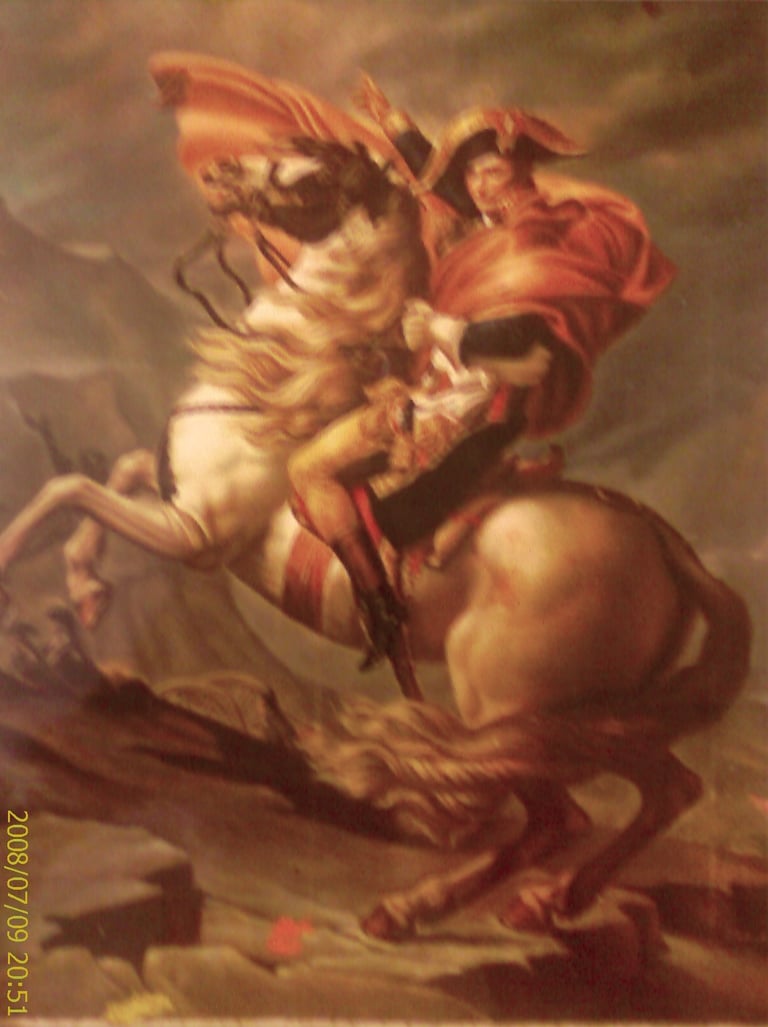
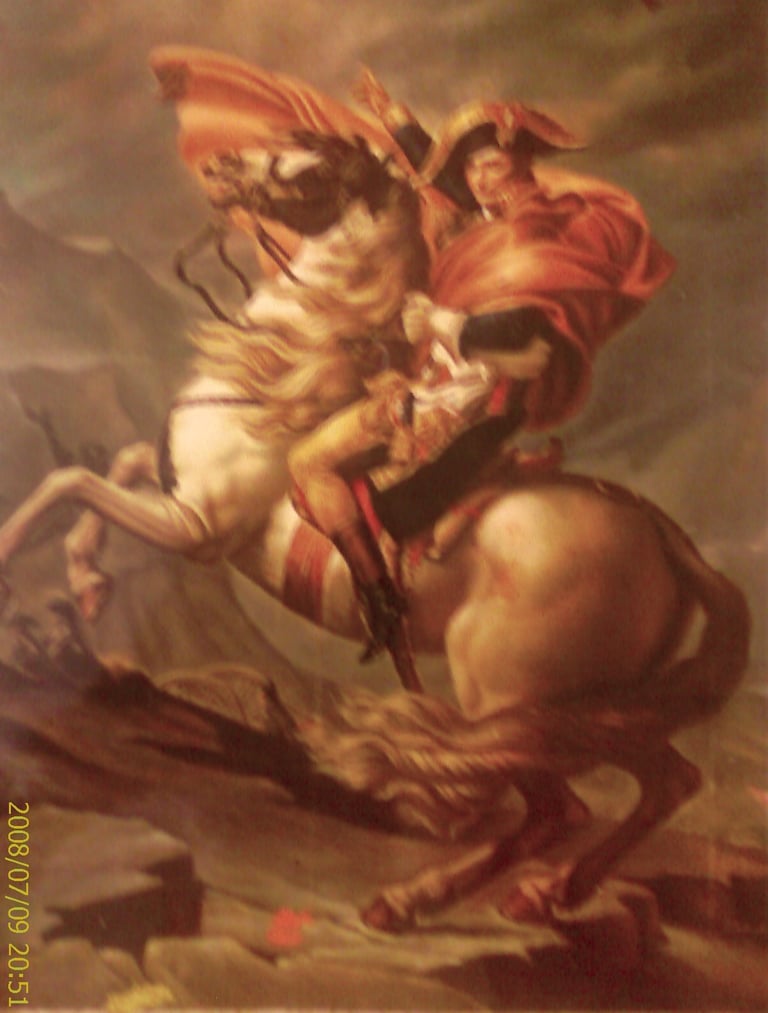
Napoleon Bonaparte — after Jacques-Louis David.
Mona Lisa — after Leonardo da Vinci.
To attempt such works without training, without reference quality, without guidance — and without ever leaving his city beyond fifty kilometres — was not ambition. It was devotion.
Even colour was a luxury. For much of his life, professional paints were beyond reach. Only after crossing forty could he afford brands like Winsor & Newton — tools many artists today begin with. Long before that, he had already done what few attempt even now: rendering Napoleon Bonaparte in watercolour, a medium that allows no correction and demands absolute control.
Art, for him, was never confined to one form.
His elder brother played the flute and harmonium. He learned too — because a true artist, he believed, must recognise beauty wherever it appears. Music, drawing, writing, sculpture — all were expressions of the same listening.
Once, he sculpted a statue of Lord Datta. Not as a trained sculptor. Not as a professional. Yet with balance and proportion that many sculptors struggle to achieve even today.
There was no announcement of being an artist.
No exhibitions.
No pursuit of recognition.
Only continuity.
Among four brothers, creativity took different paths. One would later become one of India’s finest cartoonists, honoured with a lifetime achievement award. Another continued — quietly, steadily — worshipping art without asking what it would give back.
What remains here is not remarkable because it resembles greatness.
It is remarkable because it was lived — across decades, across forms, across scarcity — without permission, without pause.
The hands are gone now.
The devotion remains.
And the lines — carried across a lifetime — still speak.